
Picture this: you're huffing up a muddy switchback from Nayapul, the trail's dusty gateway, and suddenly a cluster of women in colorful Dhaka tops—those striped hats that scream Himalayan flair—wave you over with steaming mugs of chiya. That's your first taste of Annapurna Base Camp's cultural soul, not some postcard pose, but real life unfolding. I've led over 50 treks here in my decade as a guide, and let me tell you, the ABC route isn't just about bagging 4,130 meters at base camp. It's a crash course in Nepal's ethnic mosaic, where Gurungs, Magars, Thakalis, and Tamangs rub shoulders, their traditions as layered as the rhododendron forests cloaking the hills.
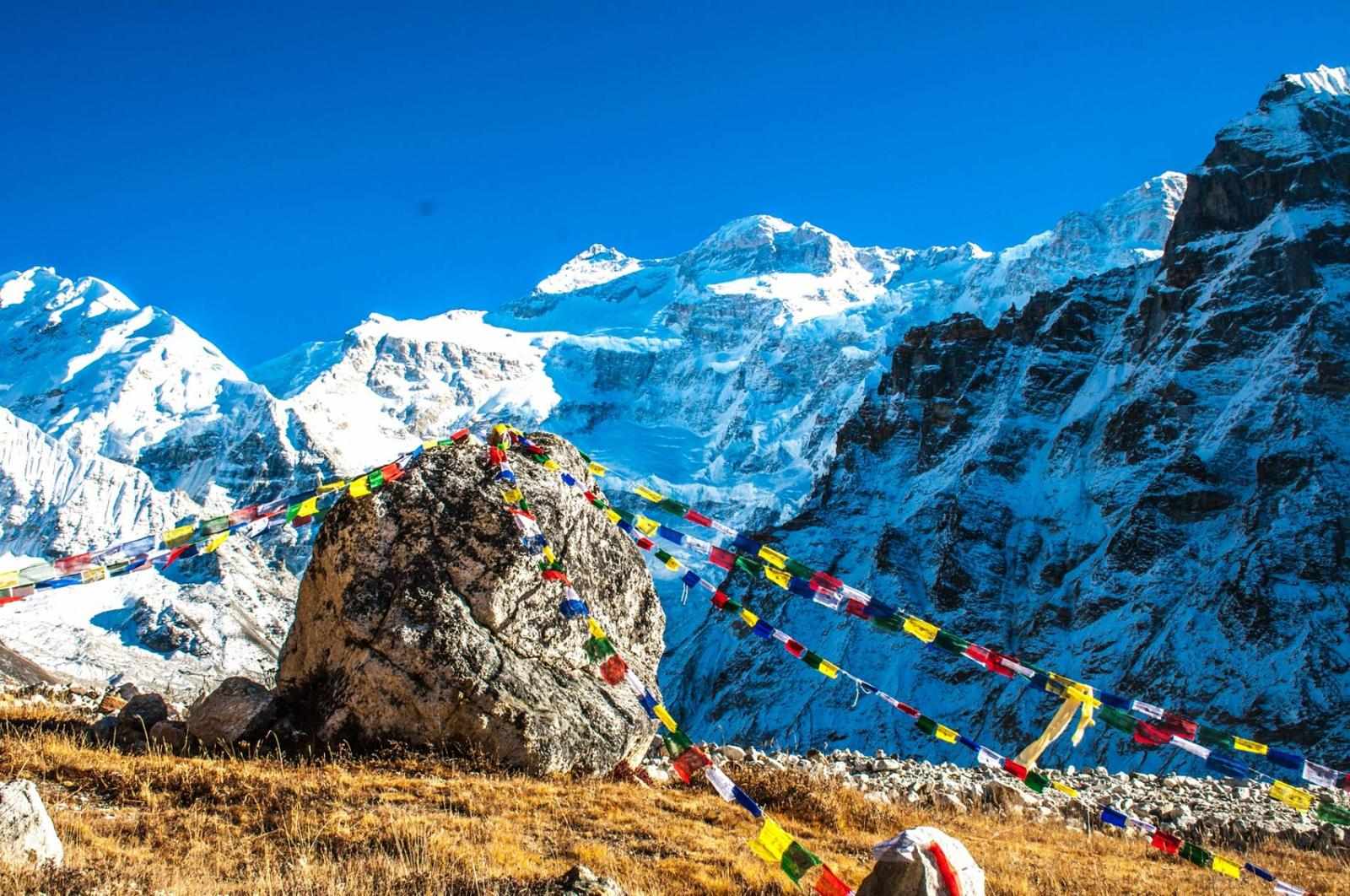
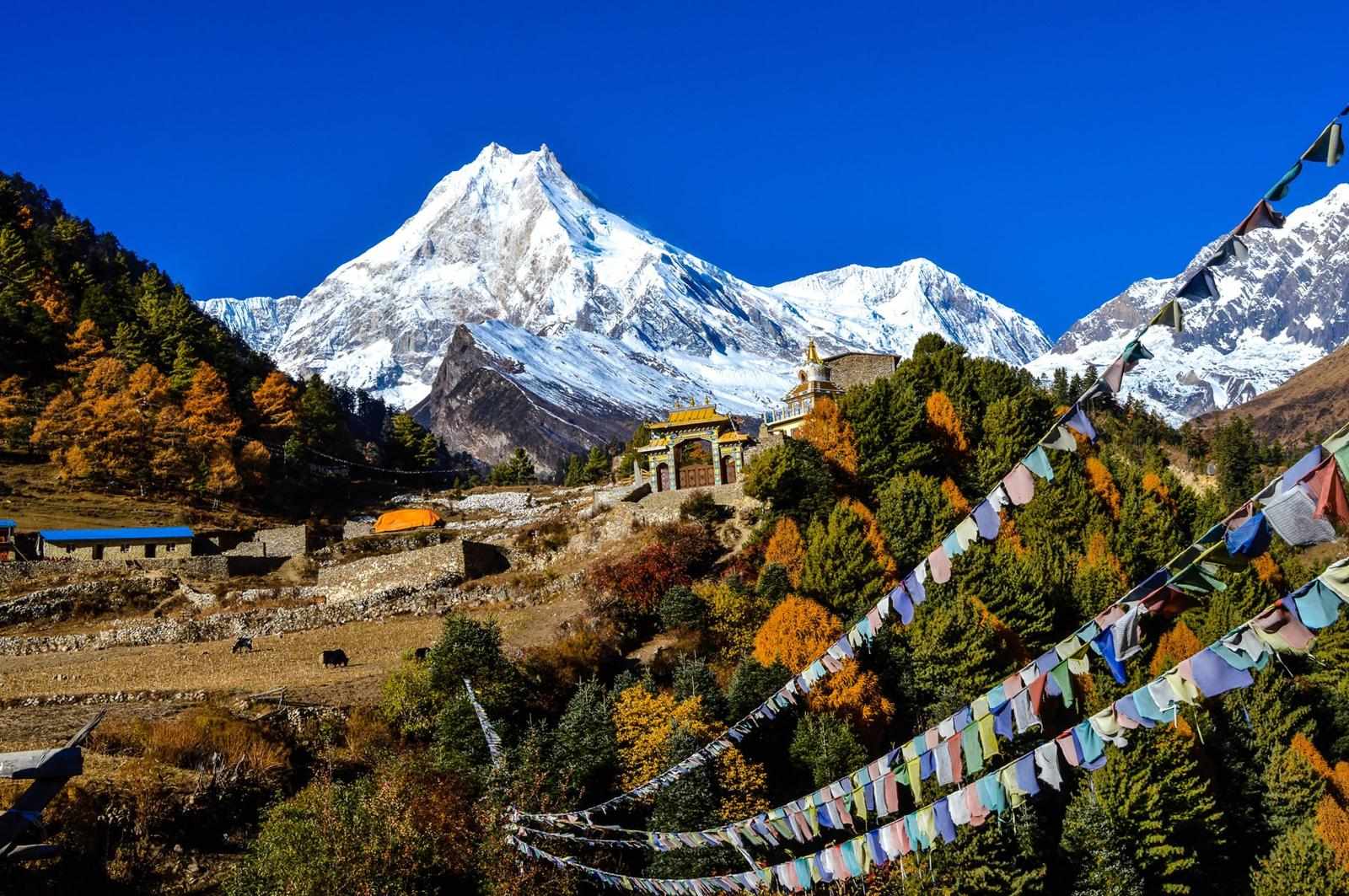
Day one from Birethanti, and you're already dodging prayer flags fluttering like confetti in the Modi Khola breeze. These aren't decorations; they're lung ta, carrying mantras skyward on the wind. Haven't you ever wondered why they fade so fast? It's deliberate—fresh flags mean fresh prayers. My first trekker group back in 2016 balked at the "superstition," but after a rockslide miraculously missed us the next day, even the skeptics started snapping photos with reverence.
Teahouse Tales: Where Strangers Become Family
Push on to Ghandruk, that postcard-perfect Gurung village clinging to a ridge like a bird's nest, and culture hits you square in the gut. Stone houses with slate roofs hunker down against the monsoon, and the air smells of woodsmoke and millet beer. Here, homestays aren't a gimmick; they're the heartbeat. I remember guiding a solo American gal who, after one evening of raksi toasts with a local elder, learned to roll perfect sel roti—those rice doughnuts that taste like heaven fried in ghee. "It's not just food," the old man grunted through betel-stained teeth, "it's how we bind the gods to our bellies."
Gurungs dominate this stretch, fierce ex-Gurkha stock with Buddhism laced through animist roots. Their museums—tiny, dusty affairs packed with khukuri knives and shaman drums—spill secrets of polyandry tales from yesteryear, when one wife wed multiple brothers to keep scarce land intact. Subtle opinion? It's fading fast under tourism's glare, but you catch echoes in women's sidelong glances at roving trekkers. For beginners googling "ABC culture," here's a gap-filler: don't miss the Ghyadi dance at dusk. Men in feathers stomp out evil spirits, and if you're lucky, they'll pull you in—awkward feet and all.
Bamboo Bridges and Buddhist Whispers
The trail dips into bamboo groves toward Chomrong, crossing swaying footbridges over the churning Modi. It's here the Magars shine, their terraced fields carving emerald steps into cliffsides. These folks? Masters of understatement. Their homes double as dal bhat factories—lentils and rice on infinite refill—and conversations flow like the river below. I've shared countless thalis, picking up idioms like "jaha jaha pani jane, ghar ko chulo nai ramro huncha," meaning nowhere beats your own hearth. Rhetorical question: why do we chase peaks when the real summit is that smoky kitchen chat?
Chomrong's a steep haul-up village, crowned by a stupa where monks chant under Machhapuchhre's fishtail shadow. Buddhism flexes hard here—prayer wheels spun by kids on their way to "school," which is often just a monk's knee. One trek in 2020, a storm pinned us down; the head lama invited us for puja. Incense curled, bells tinkled, and he blessed our soggy boots with rice grains. Felt like cheating karma, but it worked—we summited dry the next dawn.
Sinuwa Secrets: Shamans in the Mist
Beyond Dovan's damp embrace lies Sinuwa, a blink-and-miss hamlet where the forest thickens and culture gets wilder. Thakali influences creep in—nomads turned teahouse moguls—with their spicy buckwheat pancakes that stick to your ribs like glue. But the real gem? Hidden shaman huts. These days, jhankris (shamans) blend trance dances with WhatsApp weather checks. Unique insight for you travel bloggers: Gurung healers now sync rituals to lunar apps, timing exorcisms when Mercury's retrograde. Saw it firsthand with a client plagued by altitude nightmares; post-trance, she swore the mountain ghosts fled.
Women here weave magic too. Subtle, isn't it? While men porter loads, ladies knot wool into intricate patterns sold at trailhead stalls. It's their economic lifeline, funding daughters' edifices in Pokhara. My opinion? Tourism's a double-edged khukuri—boosts cash but erodes patterns as cheap imports flood in. Chat 'em up; their stories of weaving spells into thread beat any summit selfie.
Machhapuchhre's Mystic Pull and Deurali Devotion
Climbing to Deurali at 3,200 meters, the air thins, but culture thickens. Rhododendrons bloom red as prayer flags, and you'll spot crude shrines—piles of stones etched with mantras—guarding passes. Tamang porters dominate now, their Buddhist-Tibetan vibes mixing with Hindu flair. One foggy morning in 2019, my group stumbled on a secret sky burial site remnant; vultures once feasted here, souls speeding to bardo. Gruesome? Nah, poetic—like nature's ultimate compost heap.
Machhapuchhre Base Camp teases at 3,700 meters, sacred and off-limits to climbers. Why? Legend says Shiva's trident guards it; desecrates, and doom follows. I've felt it—that electric hush. Trekkers whisper prayers, leaving khata scarves. Personal anecdote: lost my favorite knife there once, only to find it years later on return, tucked in a rock crevice. Coincidence or mountain mojo? You decide.
Base Camp Benediction: Peaks Meet Prayers
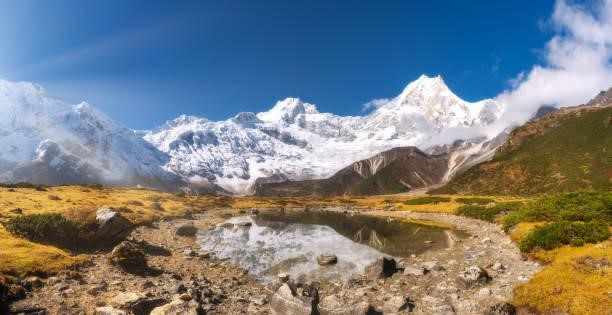
Finally, ABC itself—snow-draped Annapurna South looming like a slumbering giant. Dawn puja erupts: trekkers and locals alike light butter lamps, circumambulating the camp's central shrine. Its peak-season chaos meets profound quiet—Gurung chants blending with Japanese om-chants. Here's a research gap for novices: caste lingers in the shadows. Brahmin teahouse owners lord over Dalit helpers, but share hardship levels with them; I've seen upper castes wash dishes side-by-side during monsoons.
Descending through bamboo thickets back to Jhinu Danda's hot springs, culture simmers down to soaks and song. Locals croon folk tunes over tongba—millet beer from bamboo tubes—like old friends at a reunion.
Reflections from a Trail-Worn Soul
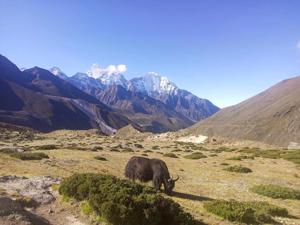
Ten years on, I've watched iPhones creep into rituals, yak herders scrolling TikTok mid-milk. Progress or poison? Both, I reckon. The ABC trek gifts you Nepal's living tapestry—raw, resilient, occasionally ragged at the edges. It's not frozen folklore; it's families adapting, inviting you to their chaos. Soak it in, share a raksi, listen harder than you photograph. In these hills, culture isn't a sideshow—it's the oxygen that keeps you climbing.




Write a comment ...