
Yes, the slog to Everest Base Camp is what’s commonly known as a physical challenge, but any trekkers plodding along the route will soon discover that it can be just as much of an emotional and spiritual one. And this iconic journey through the heart of Nepal’s Khumbu region isn’t just about reaching a point beneath the tallest mountain in the world. It’s all about those moments that challenge your beliefs about nature, fortitude, culture, and yourself. From the very first footstep at Lukla to the final waving prayer flags in icy winds, hiking up to Everest Base Camp is a treasure trove of experiences that stick with you long after you’ve put away your trekking boots.
The Gateway to the Himalayas - Lukla
The adventure begins with one of the most iconic travel experiences you can have, flying into Lukla Airport. Lukla, called the world’s scariest airport, soars in introductions to trekkers that here goes a journey of daring and faith. The allure mingled with humility as my plane landed on the short mountain runway. The first steps you take on the trail and getting surrounded by prominent peaks watching over you, some of the freshest Himalayan air imaginable, it’s at this point where life every day gets left behind, and your adventure is just beginning.
We walk through Sherpa villages & culture.
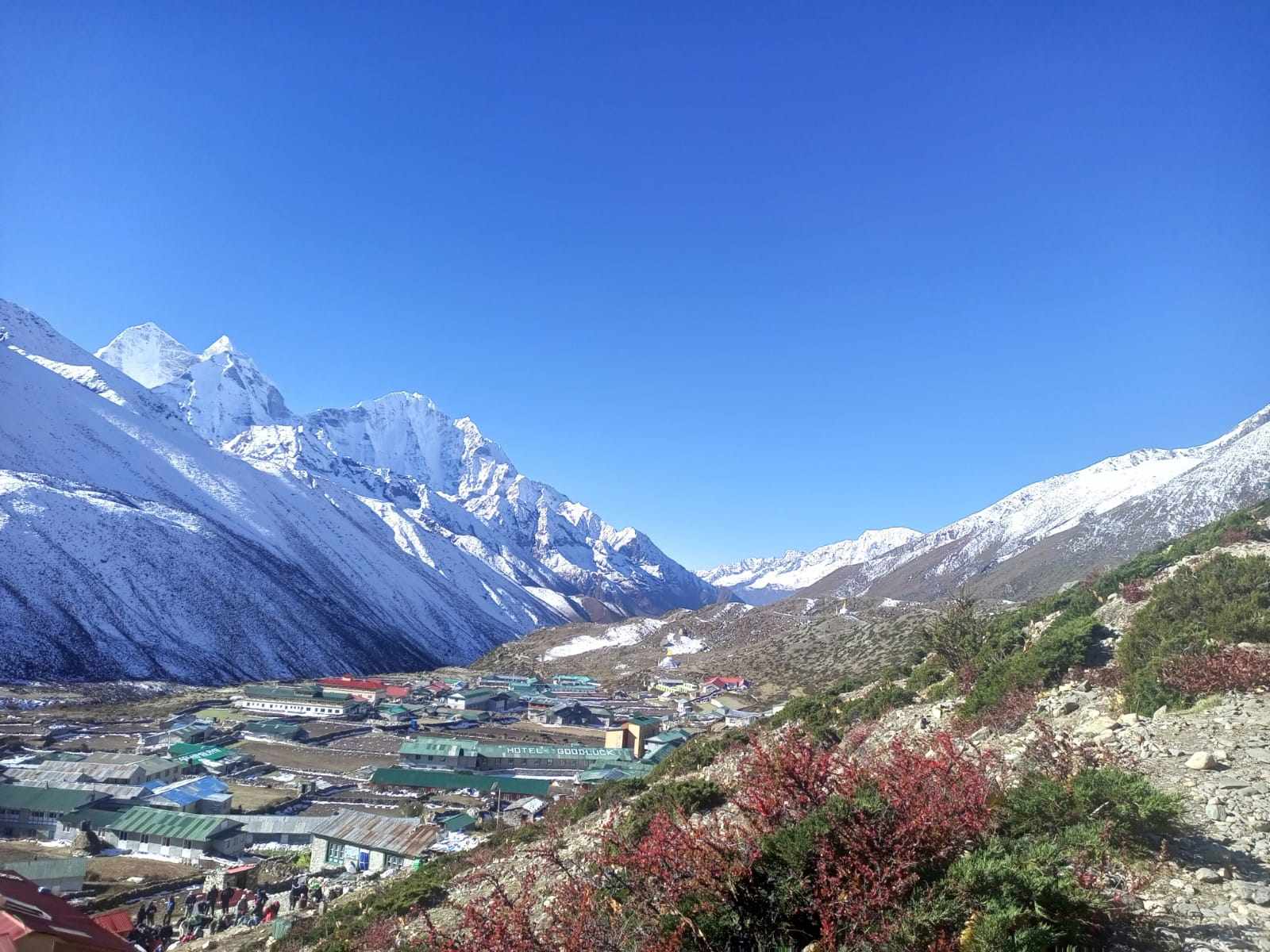
The route winds via the villages of Phakding and Namche Bazaar, offering an intense cultural experience to trekkers. The culture transfer of Sherpa inhabitants, prayer wheels, stone mani walls, and old monasteries develops an almost spiritual connection. The hundreds of distant mountain hamlets I have visited in the course of my career are a sad reminder that happiness has nothing to do with material prosperity. That moment often changes the way trekkers think about community and simplicity, as well as gratitude.
Namche Bazaar and a little altitude. The ladies of the Wahine?
Arriving in Namche Bazaar is a game-changer on the Everest Base Camp hike. The climb up to this natural amphitheater is a test of your resolve, will, and muscles. Many climbers encounter the first symptoms of altitude sickness in this place, which is weakness in the body. It was a time that served as a lesson in patience, and upholding respect for mountains once again, the importance of acclimatizing, knowing oneself, and one's body. This is where the trip begins to get as much in your head as beneath your feet.
First Glimpse of Mount Everest
The first view of Mount Everest is definitely one of the most emotional moments on the trek. From viewpoints like Hotel Everest View, the summit grows silently yet imposingly from the horizon. Mount Everest is a powerful force, and even as we sit here more than 100 miles away from it, the gravity of its mass feels crushing. This becomes a significant moment for many of these trekkers, where they feel humbled by the experience and their own smallness within nature’s grandeur. “This is not about ‘I can conquer the mountain’, it’s being fortunate enough to witness that beauty.
Suspension Bridges You Can Walk Over Rushing Rivers
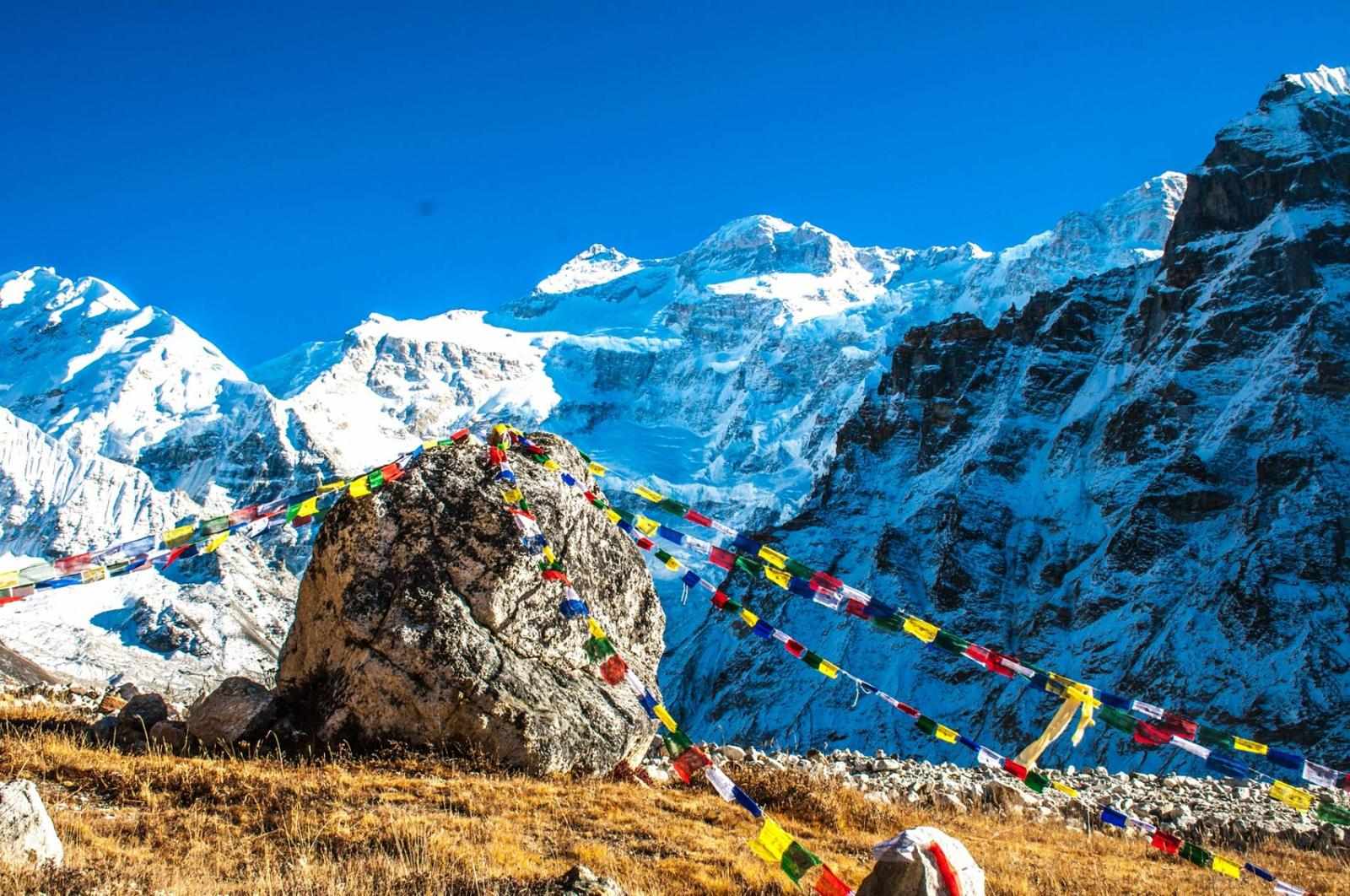
The immense suspension bridges of the Khumbu are fear and triumph made solid. Draped with prayer flags and suspended over roaring glacial rivers, crossings like this don’t allow trekkers to put off their fears until tomorrow. With every footstep onto that bridge, there is courage and belief. These crossings are best knocked out, a point of pride and symbol not just of overcoming obstacles on the trail but in life.
Spiritual Encounters at Tengboche Monastery
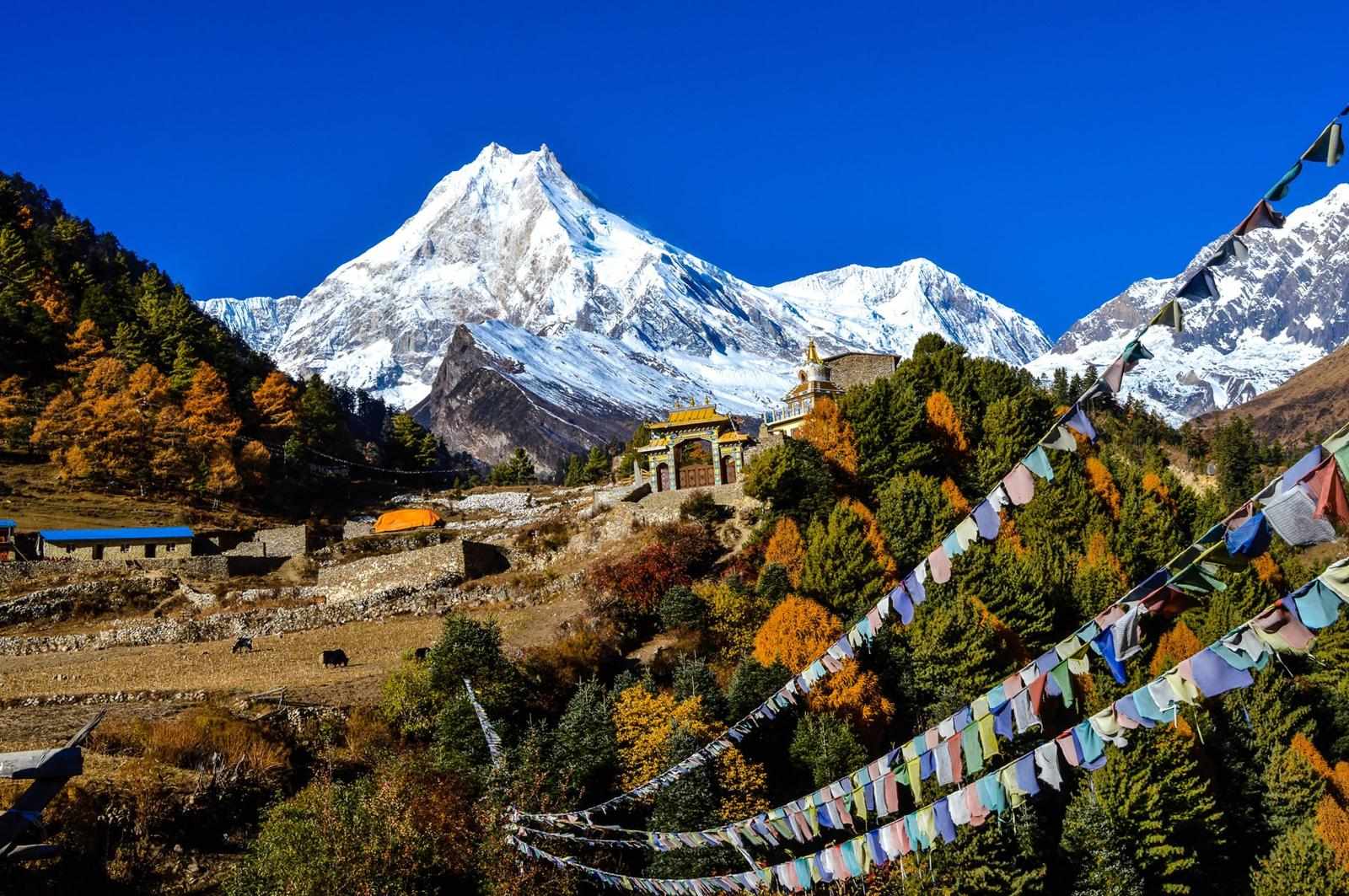
Tengboche Monastery is one of the spiritually profitable places on the Everest Base Camp trek. Framed by means of incredible snow-capped mountains with the sound of chanting monks in the background, one can not help but take a seat and take pleasure in a profound tranquility. This is wherein many hikers pause, for contemplation, meditation, or an attempt to take it all in. This sensation often sparks a flash of inner clarity, the understanding that ascending is not just up through mountains but also in — toward self-knowledge.
The high mountains are brutally beautiful.
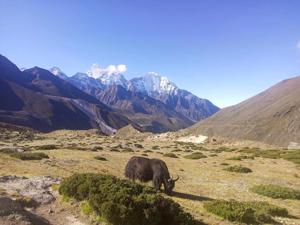
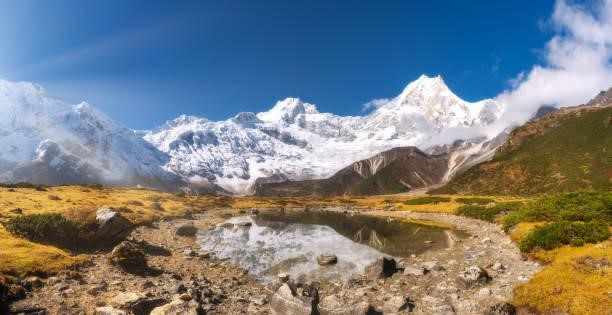
It's simply above the tree line that this place marches toward Dingboche, and Lobuche turns into a raw, harsh, unfriendly world of rock, ice, and wind. The breathing is much more difficult, the temperature drops precipitously, and every step is an effort. This part of the trek represents the fundamental nature of the Himalayas and can be a tough stretch. Anyone who has ever trekked can testify to what staying power is; they discover their real inner force, which perhaps was in slumber.
Standing at Everest Base Camp
Reaching Everest Base Camp is an emotional, transformative achievement. And there, in the bright tents below the Khumbu Icefall, with your exhaustion and your arrogance and your awe. “The second the adventurer realised she had been walking for days in one of the most hostile places on earth was “a moment you get a lot out of,” they said. There's no view, for Everest and the neighboring peaks are still shrouded, but that's not the point — it's about what you've gone through to reach this point, your battle, and ultimately personal triumph.
Final Thoughts
The trip to Everest Base Camp is a once-in-a-lifetime experience! Long after the trail is over, those lessons linger on. return to the home country with a more secure understanding of nature, resilience, and what matters in life. Mountains keep you in check, teach patience and gratitude in ways that only very few can. The true victory of your Everest base trek is not to have stood at the bottom of the highest peak in the world, but having found strength, peace, and clarity that you can take with you for a lifetime.




Write a comment ...